A record-shattering first half for global M&A reveals a structural shift: the tech sector's insatiable energy demand is catalyzing massive consolidation in power and utilities.
While US equity and bond markets paused for the Independence Day holiday, the closing figures for the first half of 2026 have revealed a profound structural shift in global capital allocation.
Global Mergers and Acquisitions (M&A) activity shattered historical precedents in H1 2026, reaching an astonishing $2.8 trillion to $2.85 trillion.
This represents an approximate 50% year-over-year increase compared to the same period in 2025.
However, the headline figure obscures the actual narrative.
This is not a generalized economic expansion; it is a hyper-concentrated infrastructure arms race.
The surge is overwhelmingly driven by "mega-deals"—transactions valued at $10 billion or more—anchored heavily in the technology sector, which alone accounted for 24% of the total deal value.
But the most consequential story is not tech acquiring tech. It is the cascading effect of the artificial intelligence boom on the industrials and energy sectors.
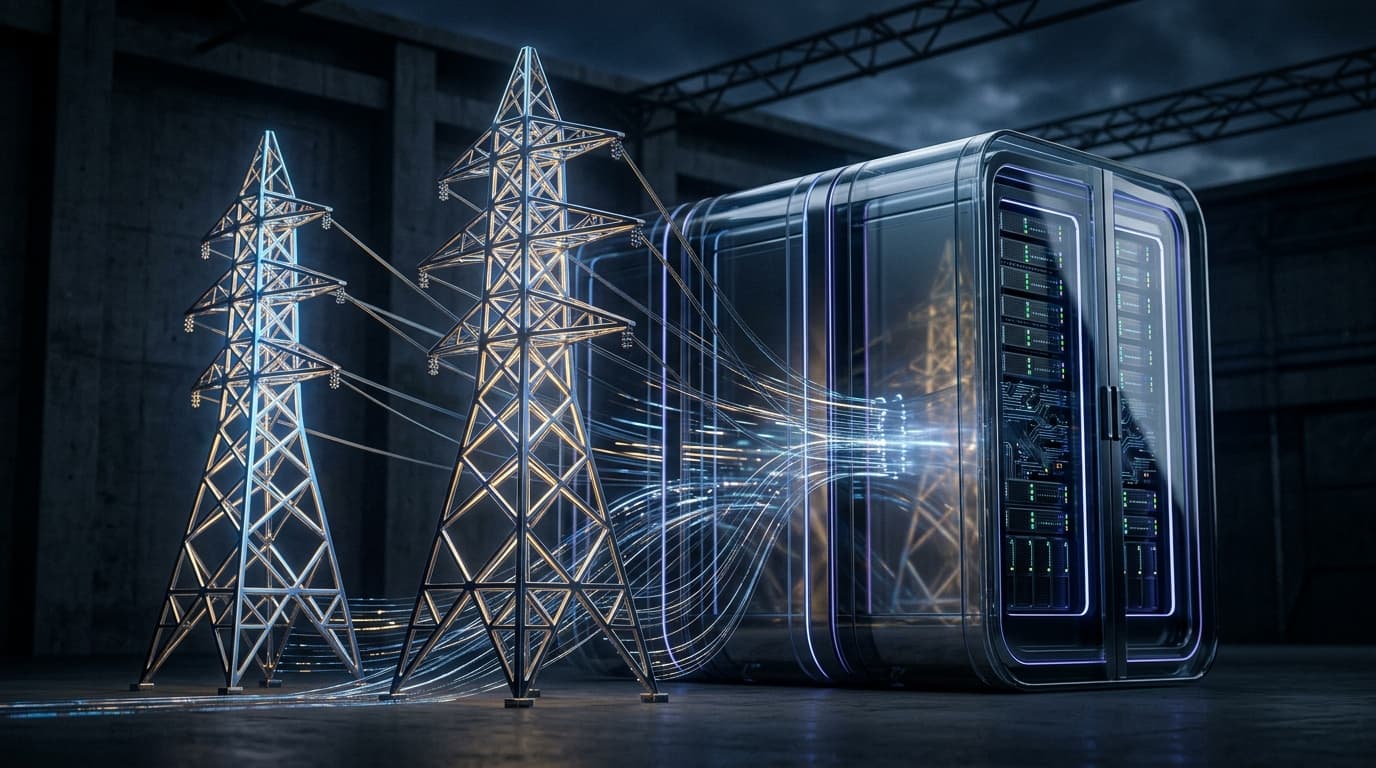
The fundamental bottleneck for the deployment of frontier AI models is no longer advanced silicon or algorithmic efficiency. It is baseload electrical power.
As hyperscalers expand their data center footprints to accommodate massive training runs and agentic inference workloads, they are draining regional electrical grids.
This insatiable demand is serving as a massive catalyst for consolidation within the utility and power generation sectors.
Utility companies are being forced to merge to achieve the capital density required to fund the generational infrastructure upgrades necessary to support these mega-campuses.
A localized utility provider simply cannot underwrite the risk of spinning up a dedicated nuclear or advanced natural gas facility for a single tech client.
By merging, these entities are creating balance sheets large enough to partner directly with hyperscalers on multi-decade, gigawatt-scale power purchase agreements (PPAs).
This dynamic fundamentally alters the valuation models for legacy power providers.
Historically viewed as defensive, low-growth dividend plays, utility companies with secured grid interconnects and scalable generation assets are now trading at aggressive premiums.
The market has realized that owning the electrical transmission rights adjacent to a planned data center hub is effectively equivalent to owning the data center itself.
The following represents the author's analysis and should not be taken as financial or investment advice.
The $2.8 trillion M&A figure is staggering, but the underlying mechanics suggest we are only in the early innings of a major macro-infrastructure cycle.
[OPINION] The narrative that AI is a purely software-driven revolution is dead.
We are transitioning into a phase where the physical constraints of the planet—specifically copper, transmission lines, and power generation—dictate the speed of software innovation.
The utility mergers we are seeing now are a defensive posture. In the next 24 to 36 months, I expect we will see hyperscalers begin acquiring energy producers outright.
If energy is the limiting factor for AI supremacy, trillion-dollar tech companies will not leave their destiny in the hands of heavily regulated, slow-moving regional monopolies.
One interpretation is that the antitrust scrutiny surrounding big tech will soon shift from software monopolies to physical infrastructure monopolies.
[UNCERTAIN] It remains to be seen if regulatory bodies will allow a cloud provider to fully integrate backward into nuclear or baseload power generation.
If they do, the valuation framework for the entire energy sector will need to be permanently rewritten.
