As hyperscalers corner the global supply of silicon, the PC components market is experiencing a severe structural shortage, driving up prices for consumer CPUs, GPUs, and memory.
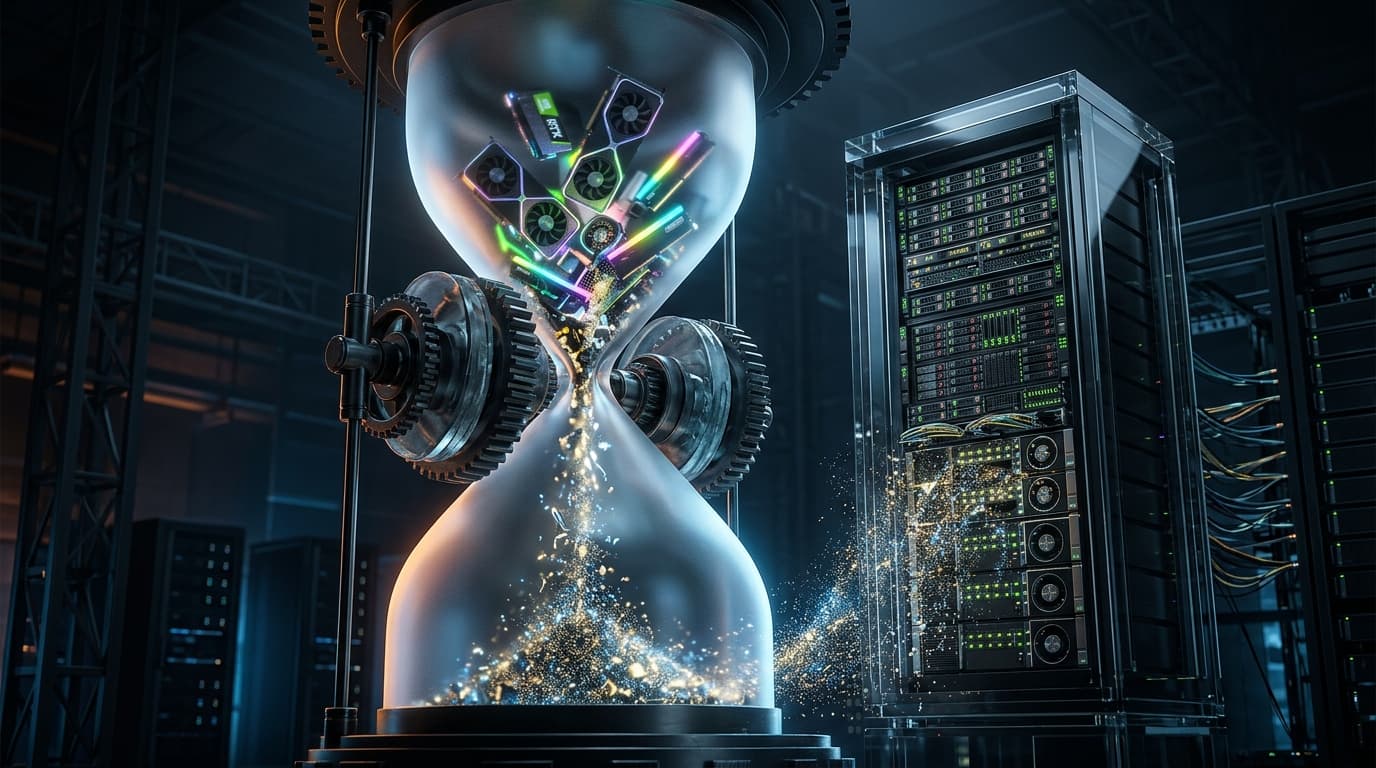
The technology industry has spent the last three years obsessing over the capabilities of enterprise-scale data centers.
We are now beginning to see the downstream consequences of that obsession on the broader hardware supply chain.
A severe, structural imbalance has taken hold in the hardware market. As of Q3 2026, the cost of standard PC components—specifically DRAM, NAND memory, and consumer-grade GPUs—is climbing at an alarming rate.
This is not a temporary macroeconomic hiccup; it is the direct result of deliberate manufacturing reprioritization.
Manufacturers and fabs are actively redirecting their limited silicon allocations toward high-margin server products destined for hyperscaler data centers.
MSI, a major player in the components market, recently warned investors that GPU and memory shortages are likely to remain a structural reality for the foreseeable future.
The rationale is pure economics: a single AI accelerator rack generates exponentially higher profit margins than a pallet of mid-range desktop graphics cards.
For decades, the consumer hardware market has operated on a predictable cadence: performance increases while prices either remain static or decline over time.
The AI boom has fundamentally broken this cycle.
Because foundries like TSMC have finite packaging capacity, every wafer dedicated to a massive enterprise AI chip is a wafer stolen from the consumer supply line.
This scarcity is now manifesting in retail pricing.
Intel, for example, has begun raising the suggested retail prices for its upcoming desktop CPUs, such as the Core Ultra 200S Plus series.
This is a stark reversal of the historical trend where manufacturers would engage in aggressive price wars to capture desktop market share.
Similarly, DRAM and NAND memory prices are projected to continue their upward trajectory through Q4 2026, squeezing margins for independent PC builders and OEMs alike.
The consumer market is effectively subsidizing the enterprise AI arms race.
The following represents the author's analysis and should not be taken as financial or investment advice.
The current state of the hardware market is a harsh reminder of where the true center of gravity in technology now lies.
The era of the "PC Master Race" dictating the cutting edge of silicon development is over.
[OPINION] Consumer hardware is rapidly becoming a secondary byproduct of enterprise data center manufacturing.
We will likely see a widening performance gap between enterprise compute and consumer compute over the next five years. As the cost of leading-edge nodes continues to skyrocket, fabs simply cannot justify dedicating premium capacity to laptops or desktop gaming rigs.
One interpretation is that this supply squeeze will accelerate the push toward cloud-based computing for the average consumer. If local hardware becomes prohibitively expensive, streaming compute from the very data centers that caused the shortage becomes the only viable path forward.
[UNCERTAIN] It remains to be seen if government intervention or subsidies—such as the various CHIPS Acts globally—can bring enough mature-node capacity online to alleviate the pressure on the consumer market.
Until then, expect to pay enterprise premiums for mid-tier consumer hardware.
